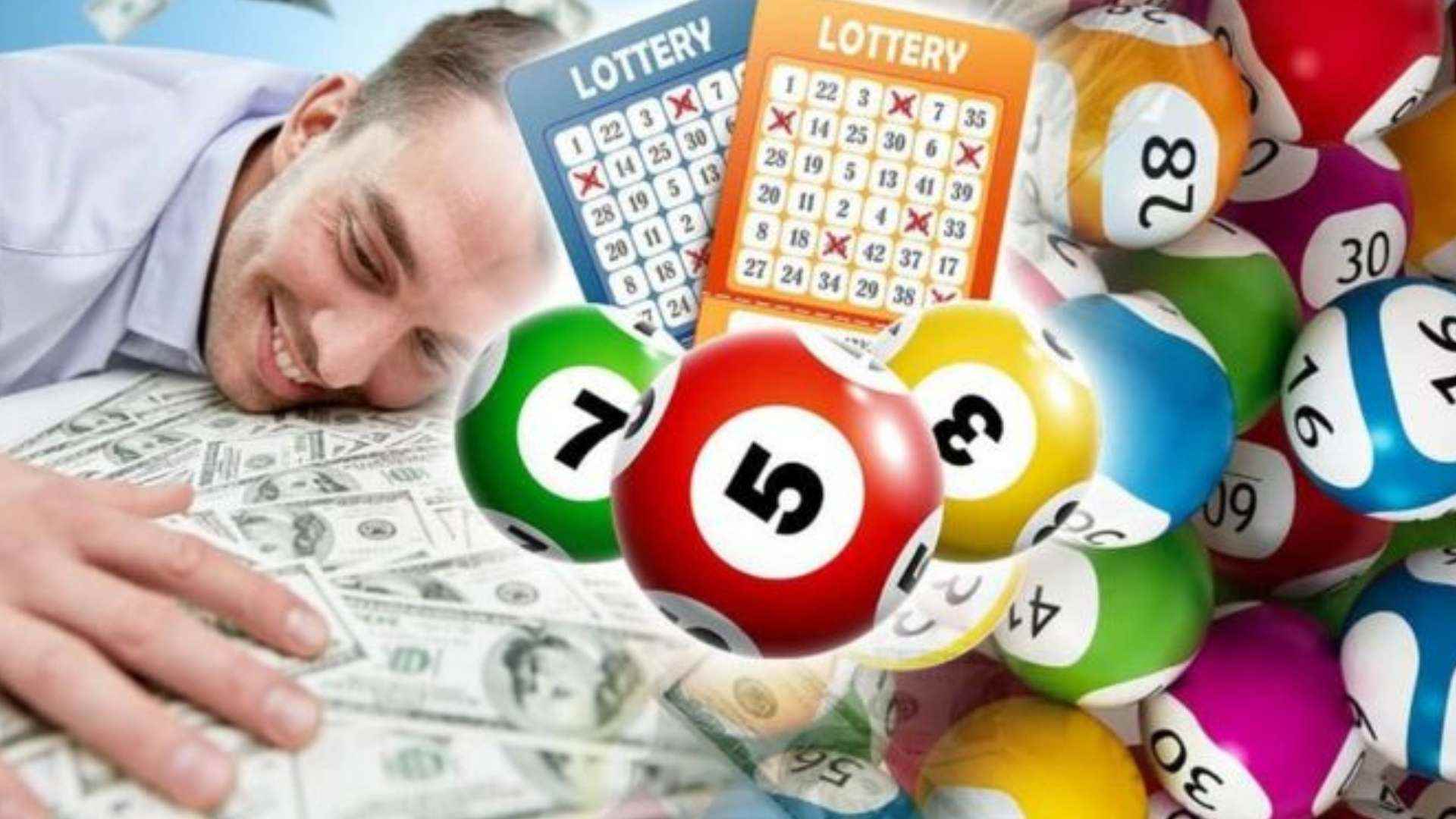
When major lottery jackpots reach astronomical sums, players across the country debate whether selecting numbers manually or relying on computer-generated Quick Picks offers a better chance of winning. Statistical data consistently shows that a massive majority of grand prize winners used the Quick Pick feature to select their combinations. However, understanding the underlying mathematics reveals why this trend occurs and what it means for everyday lottery participants.
The Mathematical Reality Behind Random Selection
Every single number combination entered into a major lottery drawing carries the exact same mathematical probability of being selected. Whether a ticket contains personalized family birthdays or a computer-generated random sequence, the physical draw mechanism treats every ball equally. Consequently, selecting numbers through a automated system neither increases nor decreases your fundamental odds of hitting the jackpot.
The primary reason Quick Pick entries dominate winning statistics is simply a matter of volume. Roughly 70 to 80 percent of all lottery tickets purchased for major draw games are computer-generated selections. Because the vast majority of playing tickets are Quick Picks, it naturally follows that the majority of winning tickets will originate from that same pool.
Why Human Bias Impacts Manual Choices
Players who choose their own numbers frequently fall into predictable human behavioral patterns that can impact their overall payout strategy. Many people select dates that correspond to birthdays or anniversaries, which restricts their selections to numbers between 1 and 31. This clustering effect means that when lower numbers are drawn, a higher number of players are likely to share the grand prize.
Random generation avoids human cognitive biases like favoring odd numbers or creating visual shapes on play slips. Exploring gaming options on platforms like m88 link highlights how randomized algorithms are widely used across digital entertainment to maintain true unpredictability. Letting a terminal select your combination ensures a completely balanced spread across the entire available number pool.
Evaluating the Splitting Risk Factor
While Quick Pick does not boost individual winning odds, it offers a slight strategic advantage regarding prize sharing. Because computer algorithms distribute selections evenly across all possible numbers, Quick Pick tickets are statistically less likely to duplicate popular manual sequences. If a randomly generated ticket hits the jackpot, the owner faces a lower statistical likelihood of having to split the payout with multiple other winners.
Manual players often select popular sequences, such as consecutive numbers or arithmetic patterns, which thousands of other participants also play. When these common patterns unexpectedly win, hundreds of ticket holders end up receiving significantly smaller shares of the prize pool. Using randomized ticket generation effectively reduces this specific risk without requiring extra cost or effort.
Practical Guidelines for Lottery Participants
Ultimately, choosing between Quick Pick and manual entry comes down to personal preference rather than statistical superiority. Players seeking convenience and broad number distribution typically benefit from letting the automated system handle their ticket generation. Those who enjoy the ritual of choosing meaningful numbers can continue doing so with the knowledge that their overall odds remain identical.
Responsible participation remains the most important principle regardless of the selection method you prefer. Purchasing additional tickets increases your overall mathematical chances slightly, but the base odds remain extraordinarily long for major drawings. Treating lottery tickets as light entertainment ensures a safe and enjoyable experience every time you participate.