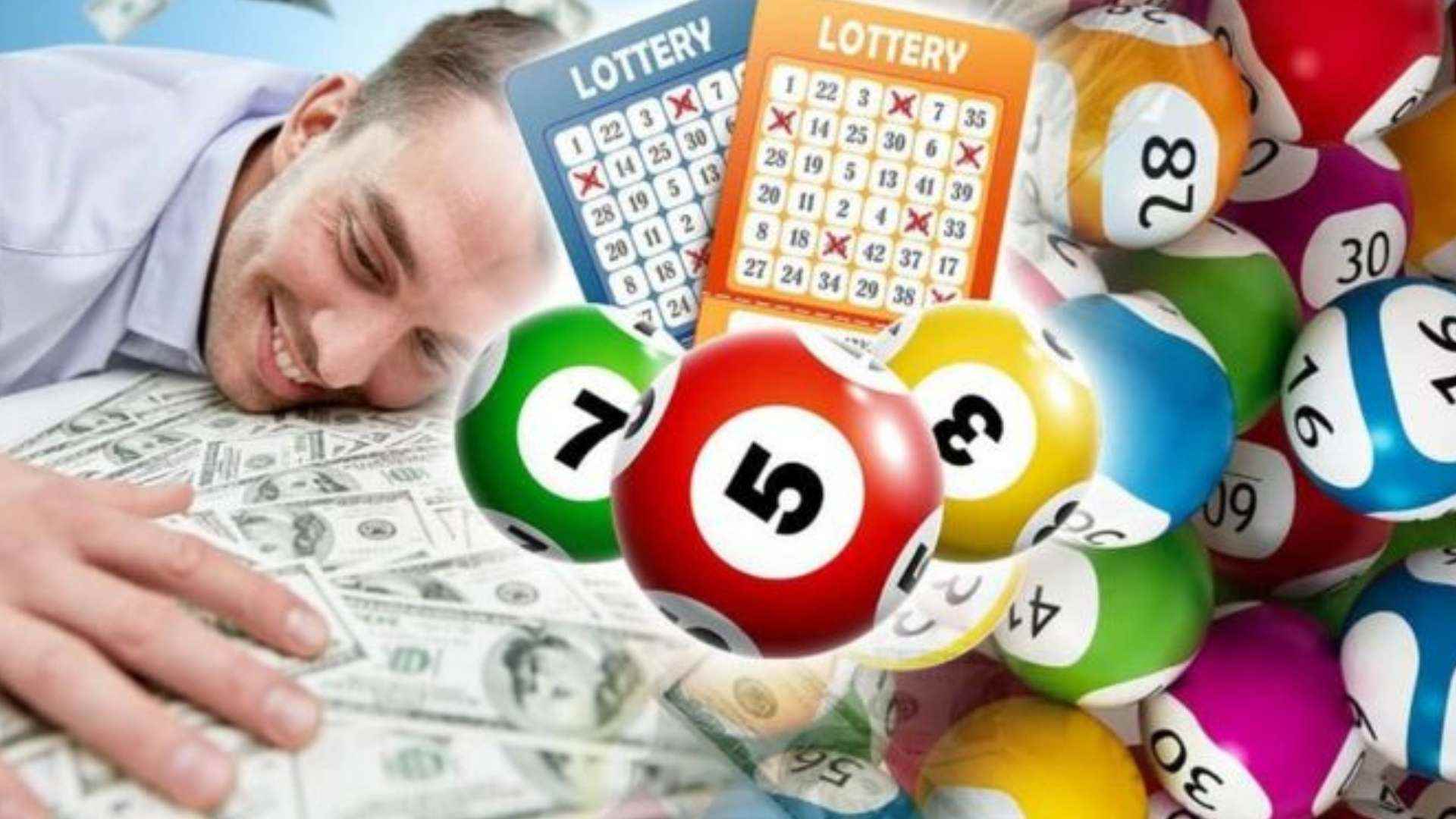
Mastering the mathematical laws of chance often seems like a daunting challenge when confined to standard textbooks and static equations. However, incorporating dynamic and interactive problem-solving routines can completely transform how students and enthusiasts process statistical data. Engaging with structured challenges allows individuals to build vital analytical skills while enjoying the journey of discovery.
The Foundations of Random Outcomes
At the very core of probability theory lies the study of random events and their predictable patterns over long periods. Introducing beginner-friendly tests, such as coin tosses or rolling physical dice, helps learners visualize how independent variables operate in real time. These fundamental activities demonstrate that past results do not influence future occurrences, effectively clearing up common analytical misconceptions.
By moving past simple guesswork, students learn to calculate exact ratios and establish reliable baselines for risk assessment. Practicing these foundational concepts regularly builds a strong cognitive framework for navigating modern data systems. Over time, these basic exercises turn abstract numerical formulas into practical mental tools for everyday decision-making.
Interactive Tools for Better Engagement
Modern educational platforms have embraced gamification to make complex statistical principles highly accessible to diverse audiences. Utilizing digital simulators allows participants to observe immediately how theoretical percentages translate into actual gameplay results. For instance, analyzing the random distributions behind a virtual simulator like an M88 slot can help individuals study mechanical variance in real time.
Classroom environments heavily benefit from shifting away from passive lectures toward collaborative, hands-on experiments. When students work together to track distributions, they develop critical reasoning and sharpen their quantitative logic. This active participation ensures that difficult abstract parameters become memorable lessons that stick with individuals for years.
Differentiating Independent and Dependent Events
Advanced statistical literacy requires a clear understanding of how different variables interact within a single scenario. Independent challenges show that separate events carry completely isolated mathematical odds regardless of previous history. In contrast, drawing cards from a deck without replacement illustrates dependent scenarios where each move alters the remaining system.
Recognizing this vital distinction helps individuals evaluate complex everyday risks with greater objectivity and professional precision. Analytical exercises designed around these contrasting frameworks teach logical planning under conditions of deep structural uncertainty. Consequently, learners become highly proficient at making evidence-based choices in their personal and professional lives.
Practical Application in Daily Decision Making
The practical benefits of statistical exercises extend far beyond the walls of classrooms or digital simulation tools. From analyzing weather forecasts to evaluating financial investments, probability shapes nearly every major choice we make daily. Developing a structured approach to uncertainty reduces cognitive anxiety and empowers individuals to navigate life with systematic confidence.
Consistently practicing these targeted mental routines sharpens long-term planning habits and enhances overall cognitive agility. Ultimately, turning the study of chance into an interactive pursuit unlocks a deeper appreciation for the mathematical laws that govern our universe. With patience and steady observation, anyone can decrypt the hidden patterns within seemingly unpredictable events.